Key Points
- Connecticut winters are harsh, and old windows make the energy bills higher.
- Find the modern windows that have strong frames and double-glazing.
- Energy-saving windows can save hundreds of dollars annually.
- Local factors such as coastal wind and heavy snow make this an even wiser upgrade.
- The right window depends on your home style, your heating system, and where in CT you live.
Have you spent the winter season in Connecticut? You would already know how it feels. The temperature goes below freezing points. Wind comes off the water on the shoreline. Your heating bill feels like a second mortgage during these months.
Here is what most people never stop to think about, though. All that money leaving your wallet every month is not always the furnace’s fault. The problem is your windows.
Older windows have poor sealing and less insulation. Your heating system has to work more than its capacity. This extra effort shows up on your bill every single month from October through April.
Why Connecticut Homes Release Heat Through Their Windows
Connecticut houses were built decades ago. People of Middletown, Meriden, and Norwich have never replaced the original single-pane windows. Single-pane glass is virtually nothing in terms of insulation value.
The outside cold hits the front of the glass and cools it almost immediately. This cold glass then pulls heat directly from your living space.
Even the double-pane windows from the early 2000s can be a headache. The seal between the two panes deteriorates. Air leaks out, and the window performs like a piece of junk. It looks completely fine, but the function is really terrible.
The Department of Energy puts the heat loss through windows at somewhere between 25 and 30 percent of a home’s total heating energy. In a state with a five-month heating season, that percentage costs real money.
What Actually Makes a Window Energy Efficient
Energy-efficient windows have multiple features that can decrease your heating bills. Double or triple-pane glass creates layers with space between them. That space holds argon or krypton gas, which moves heat much more slowly than regular air. The result is a window that resists cold transfer much better than anything older.
Low-E coating adds another layer of protection. It is a thin layer that bounces heat back rather than absorbing it. The heat will not leave your room, and the place stays warm. This coating works well in summer as it prevents the entry of outside heat.
Frame material is more important than most people realize. Choose Vinyl and fiberglass for the framing because they offer the best insulation. They are strong enough to work well in the multiple freeze-thaw cycles.
Proper installation ensures everything is sealed properly. A window with excellent ratings installed sloppily around a drafty frame opening still loses heat. You should hire reliable installation contractors to handle this task.
Energy Savings with Modern Windows
Every homeowner wants to know one thing before spending money: what do I actually get back? Energy Star-certified window replacements save the average homeowner between $125 and $465 per year, according to EPA estimates. Homeowners often land toward the higher end of that range because natural gas and heating oil prices here run above the national average.
Homeowners switching from older single-pane windows to modern energy-efficient ones sometimes see even bigger yearly savings than those estimates suggest.
There is also a comfort factor that does not show up in the numbers but is clearly evident in your behavior. Sitting near an old window in January feels cold even when your thermostat reads 70. The cold glass surface chills the air around it, and you keep nudging the heat up to compensate. Better windows fix that problem.
Why This Upgrade is Paramount
Homeowners in warmer states get some benefit from energy-efficient windows, too, but CT makes the math especially favorable. The heating season here stretches from October to April most years. Six months of heating bills means six months of savings working in your favor after you upgrade. Every improvement to your home’s thermal envelope pays back over a longer window of time each year than it would in Georgia or Texas.
Coastal towns have more hurdles. Milford and Westport, CT, face the harsh winds from the sea, and it pushes cold air into the windows. Good windows with tight edges and good frames can handle this situation.
The freeze-thaw cycle can ruin the windows and their functionality. Extreme temperatures can cause expansion or contraction of the frames. This cycle repeats for 3 months and destroys the windows. The seals break, and the windows become less efficient. New energy-saving windows for cold climates handle the cycle much better and stay tight for years.
Choosing the Right Window for Your Home
A colonial on a tree-lined street in Farmington needs something different than a newer build in South Windsor. Older homes across Glastonbury, Simsbury, and Essex have a specific character that modern window manufacturers actually accommodate well.
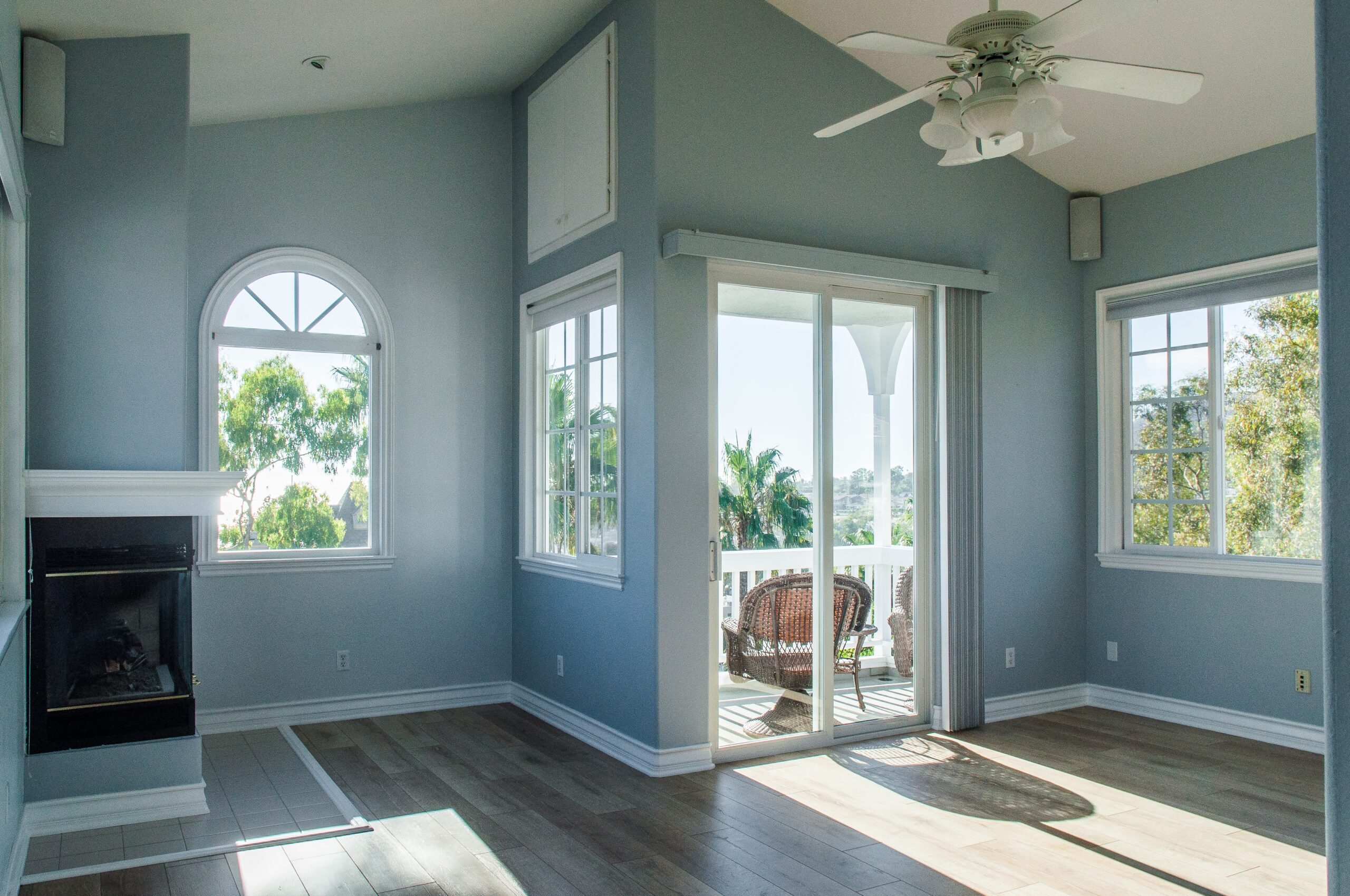
Do you want windows that look more traditional to match the theme of your home? You can find them too! Multiple styles of modern windows can fit with every home’s theme.
People in Shelton or Ellington often prefer very big windows in their living rooms. They chose triple-pane glass windows. The efficiency gains from triple panes are most noticeable in homes with large glass surfaces facing north or northwest, which is the direction Connecticut’s coldest winter wind typically comes from.
Conclusion
Winter in Connecticut is long, cold, and expensive. You can avoid the extra charges by switching to better windows. Energy-efficient windows fix the leak. They reduce heating bills in winter, make your home genuinely more comfortable, and protect your home from the kind of seasonal damage CT weather causes year after year.
At Best Home Remodeling CT, we work with homeowners all across the state to find the right windows for their specific home, budget, and neighborhood. We know Connecticut winters firsthand, and we know what holds up here. Get in touch with our team.
Frequently Asked Questions
Do energy-efficient windows pay off?
Yes. You can expect a full return on investment within 7 or 10 years. Homes that use oil for heating or have single-pane windows will get much faster results.
Do I have to replace every window at the same time?
No. Only replace the windows in the coldest rooms or where you spend more time. You can work through the rest of the home over time.
What is the Energize CT program?
This program offers rebates on qualifying modern window installations. The amount depends on how many windows you replace. A local certified contractor can walk you through what qualifies and handle the rebate paperwork on your behalf.